
Massage Therapy for Sciatica Pain: A Natural Path to Relief
- posted: Feb. 05, 2026
Understanding Sciatica
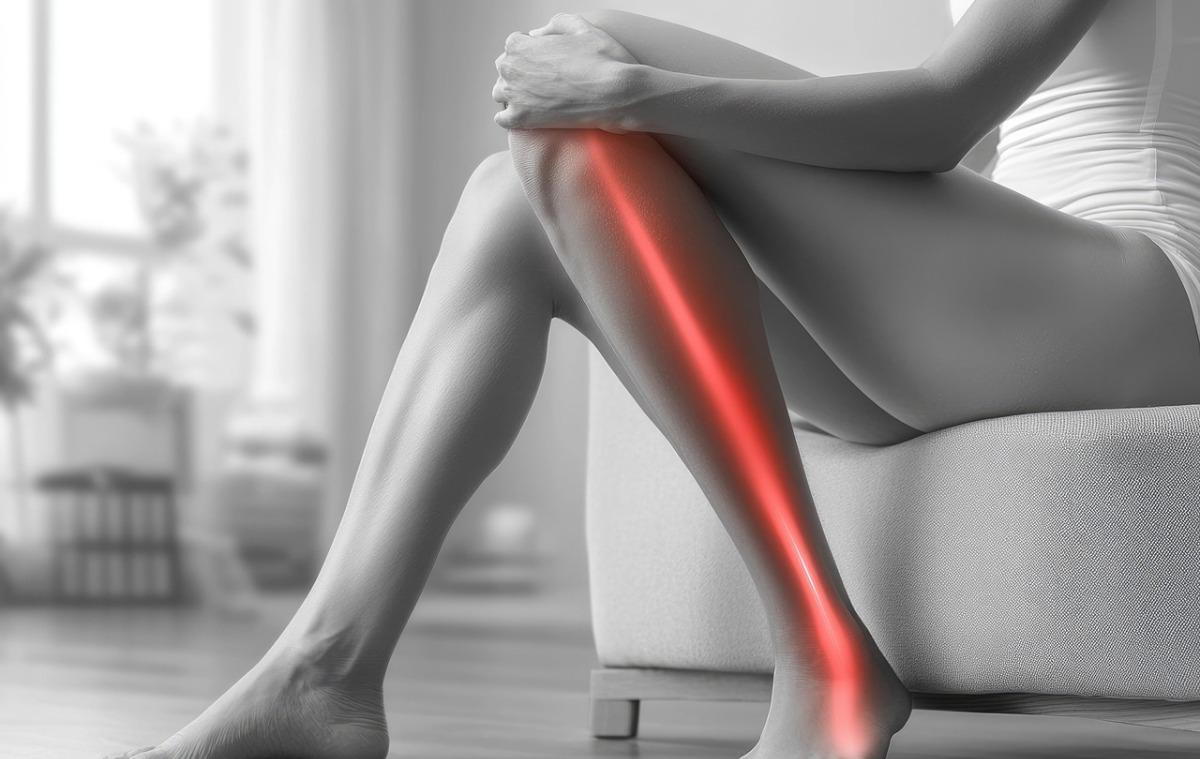
Sciatica isn’t a condition itself but a symptom caused by irritation or compression of the sciatic nerve, the longest nerve in the body. This nerve runs from the lower back through the buttocks and down each leg. When compressed—often by a herniated disc, bone spur, or tight muscles—sciatica can cause:
Sharp, shooting pain down the leg
Numbness or tingling in the foot or leg
Muscle weakness
Pain that worsens when sitting or standing for long periods

How Massage Helps
Massage therapy provides natural pain relief by addressing the muscular and circulatory factors that worsen sciatica:
Muscle relaxation: Tight muscles, especially in the lower back and glutes, can press on the sciatic nerve. Massage loosens these tissues, reducing nerve compression.
Improved circulation: Better blood flow delivers oxygen and nutrients to affected areas, promoting healing.
Stress reduction: Massage lowers cortisol and boosts endorphins, helping reduce both physical and emotional discomfort.
Enhanced mobility: By easing stiffness, massage can improve flexibility and range of motion.
Best Massage Techniques for Sciatica
Several massage styles can help, depending on your preference and pain level:
Deep Tissue Massage: Uses firm pressure to release tension in deeper muscle layers. Effective for chronic pain.
Swedish Massage: Gentle kneading and flowing strokes to reduce general tension and improve circulation.
Myofascial Release: Targets the connective tissue around muscles, relieving stiffness and trigger points.
Neuromuscular Massage: Focuses on trigger points and postural imbalances that contribute to nerve compression.
Hot Stone Massage: Heat relaxes muscles, making them more responsive to massage techniques.
Self-Care Tips
While professional massage is ideal, you can complement it with at-home practices:
Gentle stretching of the hamstrings and piriformis muscle
Warm compresses to relax tight muscles
Mindful posture when sitting or standing
Regular movement breaks to avoid prolonged pressure on the lower back
Important Note
Massage therapy does not treat the root cause of sciatica (such as a herniated disc). It should be used as part of a broader care plan that may include physical therapy, exercise, or medical treatment. Always consult a healthcare provider before starting new therapies.
Takeaway: Massage therapy offers a safe, non-invasive way to manage sciatica pain, helping you move more freely and comfortably. Whether you choose deep tissue, Swedish, or myofascial release, the key is consistency and working with a trained therapist who understands nerve-related pain.
Dr. Eric
Office Hours
Our Regular Schedule
8:00 am - 5:00 pm
8:00 am - 5:00 pm
8:00 am - 5:00 pm
8:00 am - 5:00 pm
8:00 am - 4:00 pm
9:00 am - 12:00 pm
Closed
Location
Find us on the map
Bay Chiropractic & Rehabilitation
1212 5th St Suite 300
Santa Monica, CA 90401
